
With a combination of information overload and a penchant for quick fixes, it seems understandable that fad diets and new ways of eating can become confusing and a little jejune.
I am often fascinated by the food choices people make when there seems to be an abundance of food available. Knowing what is healthy is hard to do when we are bombarded with information from family and friends, the internet, and the media, not to mention the marketing pitches of celebrities and product manufacturers, which are becoming increasingly bewildering.
So, what is a fad diet?
A fad diet is essentially an eating program that promises dramatic weight loss in a short period of time. It often involves excluding certain foods and increasing consumption of some superfood or elixir. While fad diets can be more or less unhealthy and unsustainable, they seem to draw in the curious and those seemingly desperate to shed kilos or simply feel better.
The 20th century and fad diets
Humans have been following various eating styles for generations, and fashions come and go. However, fad diets entered modern culture in the 20th century, when international communication began to shape our social influences.
The OG fad diet – 1930s
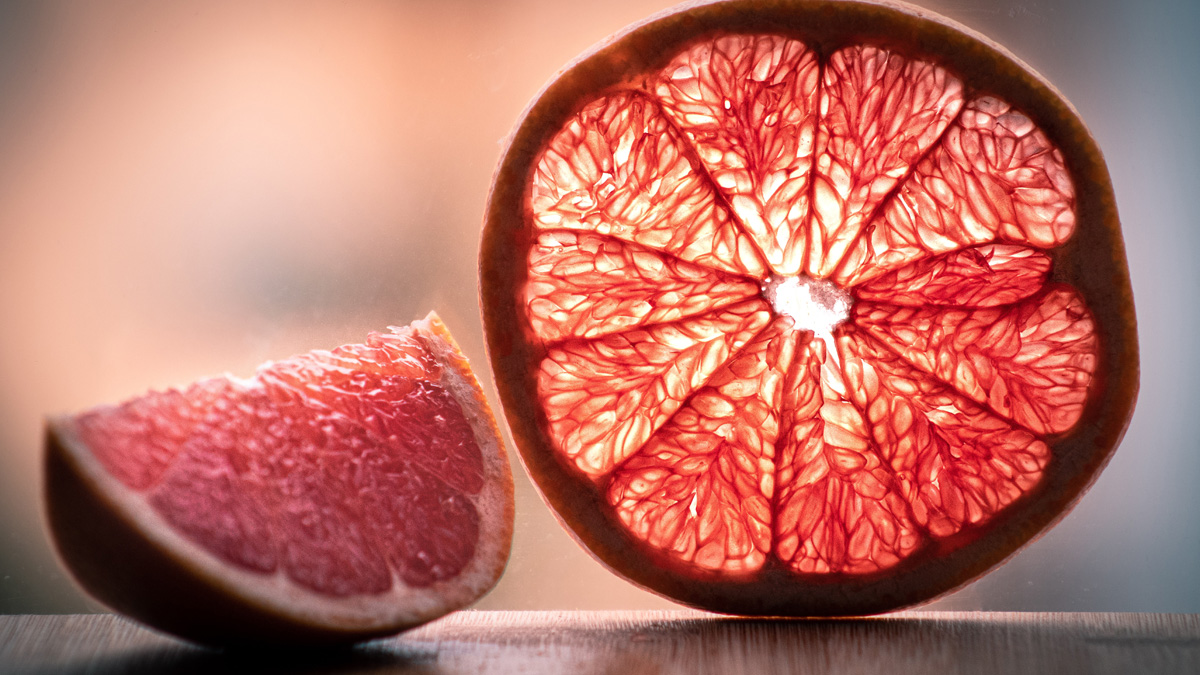
The grapefruit diet became most popular in the 1930s. The thinking with the grapefruit diet was that consuming grapefruit with every meal would stimulate digestion and speed up metabolism. Even today, you may find some weight-conscious individuals who may consume grapefruit and black coffee for breakfast. While grapefruit is an excellent food, eating any food, especially citrus, out of season and in excess, is a recipe for digestive discomfort and possible development of food sensitivity.
Grapefruit is best consumed in small amounts and really only when grown in season. Grapefruit contains a phytochemical that promotes glutathione production, a co-enzyme that has anti-tumour and antioxidant qualities. Those on medications with histamine reactions (rashes, allergies, or even asthma) should avoid eating grapefruit in excess.
The Poster Girl for fad diets – 1950s
The 1950s made way for the economical if not a little odorous, cabbage soup diet. The belief with this diet is that you consume almost exclusively cabbage soup for most of your meals. If the malodorous side effects of this particular diet didn’t scare off family and friends, the ongoing noises of your grumbling tummy would. Obviously excluding a good many essential nutrients, the cabbage soup diet is definitely the ‘poster girl’ of fad diets. Similar to a mono diet (where you eat only one food at a time) the cabbage soup diet is neither sustainable nor healthy, in fact for many people this has the potential to cause much digestive discomfort.
Cabbages are an excellent source of vitamin C; they are high in the amino acid glutamine and are used to soothe the mucous membranes in the digestive tract. Cabbages are also rich in two very cleansing minerals – chlorine and sulphur. These two minerals help to expel the body of wastes, however, most of these two minerals are destroyed with overcooking. Enjoy cabbage in moderation, it is especially nutritious when fermented in sauerkraut and kimchi.
Just quickly, the 1960s and 70s
A quick skip through the 1960s and 70s with some more than ridiculous fad diets, including the cookie diet, the baby food diet and the burger diet. We need not go into too much detail about these fad diets.
More cabbage in the 1980s
Surprisingly, the 1980s showed a renewed interest in the cabbage soup diet. Interestingly, it was in the 80s that the pre-paleo diet or the caveman diet came into popularity. Well, it was just for a short period of time anyway. While most of us were basking in the overindulgence of the 80s, there was an undercurrent of individuals who were getting back to nature by eating increased amounts of animal flesh and meats. Perhaps due to the differences in cultural communication at the time, the caveman diet never really reached its way into the modern vernacular, let alone the Oxford dictionary (more on this diet later).
Low fat 1980s
Low-fat diets were popularised in the 80s, with the Pritikin diet showing more of the modern signs of slick marketing and product advertising as we see today with fad diets. The Pritikin diet viewed fat as the enemy, a common theme that can still be seen today on supermarket shelves with many commercially available ‘low-fat’ products. While fats were eschewed, high-fibre grains were in vogue, and the Pritikin muffin was the ‘thing’ to eat with your low-fat decaf coffee with Nutrasweet. Fibre is definitely an important component of a healthy diet and plays a big role in healthy digestion and bowel function.
However, the downfall of this particular fad diet is in the proportions of nutrients. It was, incidentally, in the 1980s that the ‘healthy food pyramid’ began its circulation throughout Australia (the Swedes have a bit to answer for here). But is consuming 8-12 servings of carbohydrates really going to help with weight loss? Fibre is found in many kinds of foods, including fruits such as pears and apples and all different kinds of vegetables, from the stringy parts of celery to starch fibres in sweet potato plus fresh-cooked wholegrains.
Fad diets of the 1990s
The 1990s turned the philosophy of the Pritkin diet on its head with seemingly indulgent high-fat diets with the Zone diet and the Atkins diet. A boon for tired, exhausted and undernourished dieters, these two diets of the 1990s were popularised by celebrities in the media. These two diets seemingly attempted to re-balance the proportions of proteins, fats and carbohydrates in the diet, with an emphasis on low carbohydrate and high fat. However, the Atkins diet particularly was perceived to give the dieter a license to gorge on fatty foods. The subject of scientific studies, the Atkins diet is still being tested for safety and efficacy.
But what can realistically be gleaned from the assessments of the Zone and Atkins diets is that neither is sustainable for long-term healthy eating (the definition of a fad diet). A healthy way of eating includes consuming foods not for their particular fat or protein components but more for the overall balance of whole nutrients. I would speculate that this is the point at which dietary and nutritional confusion begins to spiral out of control.
The 21st century – an era of fad diets?
Rapidly gaining momentum through increased global communication, it seems everyone is on some fad diet in the 21st century. The 1990s are still influencing the fat, protein, and carbohydrate proportions of food and meals, and while so many people are suddenly nutrition experts, Australia is fast becoming one of the fattest nations in the world.
By the second decade of the 21st century, if you haven’t been on a grain-free diet, a raw vegan diet, a blood type diet or a paleo diet, you must have been living in a cave (lucky for you). But, ‘the paleo diet isn’t a fad diet,’ I hear you exclaim … or is it?
For those of you unaware, the paleo diet (short for palaeolithic diet) is the modern version of the 1980s caveman diet, which eschews all types of agricultural foods, including grains, legumes, and processed foods. And, although in theory, this seems a magnificent way of encouraging healthier eating habits, again it is the balance of eating and consuming only ‘paleo foods’ without proper understanding of the ‘why’ is where people lose focus.
Avoiding processed food is tantamount to a healthy diet, but does adding coconut oil to your almond milk latte, which you drink with your grain-free raw paleo brownie, make your meal healthy—or is it just adhering to the label guidelines of a paleo diet?
So, what is the moral of the fad diet story?
My background in Naturopathic & Ayurvedic nutrition, plus a wise and slightly cynical approach to fad diets, encourages me to analyse and question the philosophy of any style of eating. It is good to understand the motives of the person or the group behind the theories and design of a particular diet. Question their background in nutrition and the reason why they suggest consuming said foods and avoiding others. As I have noted with the above fad diets, there is usually some grounding philosophy that can be understood with a diet, however, balanced nutrition and a good healthy, whole foods plant-based diet should not include excessive consumption of any foods, natural or otherwise.
Healthy eating and good nutrition need not be about following a certain style or fashion, it is, essentially about understanding your own personal nutritional needs, which will change through your life. As a consulting Naturopath, I act as a guide for people to understand and identify their own health balance and aid them in making the right kinds of food choices.

The information provided in this article is for information purposes only and should not be taken as medical advice. We recommend you consult with a GP or other healthcare professional before taking any action based on this article. While the author uses best endeavours to provide accurate and true content, the author makes no guarantees or promises regarding the accuracy, reliability or completeness of the information presented. If you rely on any information provided in this article, you do so at your own risk.
Leave a Reply