
Have you ever found yourself scoffing down a muffin and a coffee in the car on the way to work, mindlessly devouring a whole packet of chips while watching Netflix, or wolfing down a massive plate of food at dinner time?
Chances are your body will allow you to ‘get away with’ this kind of stuff for a period of time. But then, pretty soon, your body starts to send signs that it’s unhappy with these dietary habits.
Perhaps you’ve started to notice some reflux or heartburn, your tummy is grumbling, you’re visiting the bathroom more frequently than you should, or your clothes fit a bit more snuggly than they ought to.
Our lives have become so busy that we often forget to nourish our bodies and souls with good nutrition. Feeding our bodies becomes a chore rather than an enjoyable ritual of nourishment and pleasure.
While it could be easy to say, ” Hey, you should just eat healthier and be more disciplined, ” you and I know it will not fix the issue.
So, let’s explore some ideas and tips for encouraging more mindful eating and wholesome nourishment for our bodies. This concept is important for people transitioning through menopause and for everyone on this planet.
Digestion begins with your eyes.
While most would consider the first stage of digestion to be mastication or chewing your food, in Ayurvedic medicine, the first stage of digestion is said to occur with the eyes.
Alochaka Pitta is the sub-dosha that resides in the eyes. Pitta dosha represents fire and translates to metabolism in our body. The sub-dosha Alochaka literally means that which sees or analyses. But you might be wondering how this relates to food and eating.
If you have ever seen an image of your favourite food or an advert for something yummy and started salivating, you would understand how this fire in our eyes, or Alochaka Pitta, begins our digestive processes.
When we fail to visually observe our food – scoffing potato chips straight from the bag or shovelling a plate of food into our mouth without even thinking about what we’re eating – we miss the essential first stage of digestion. Our mind doesn’t have enough time to message our digestion that food is coming soon.
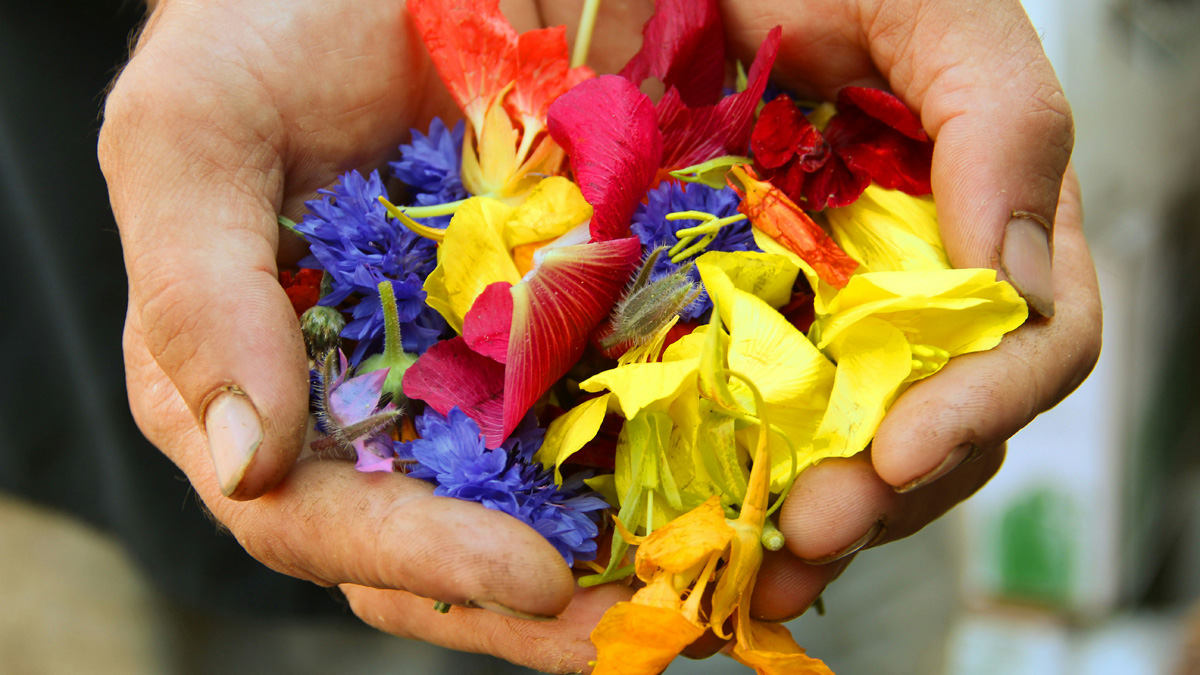
But when we slow down the process of eating, use our eyes to see our food, and notice the colours, shapes, and textures of the food, we become more mindful of our eating habits and allow our brains to catch up with the digestive process.
How full is your blender?
Our stomachs tend to be pretty resilient, especially when we’ve overstuffed ourselves on a special occasion or if a loved one has prepared our favourite meal. But so many of us continue to stuff ourselves silly year-round with all manner of foods.
This can be pretty taxing for our digestion, making it difficult for our body to break down and absorb nutrients. The anatomical stomach (not your belly) is a food-filled vessel until the contents are adequately churned and coated with digestive secretions.
But if you’ve overfilled your stomach, this churning or peristaltic movement can result in discomfort, reflux, or heartburn. I like to think of the stomach’s digestive capacity similarly to when you’re using a blender to make a smoothie. If you’ve ever overfilled a blender, you probably remember the mess made when the lid flies off and the contents spill over your benchtops. You’ll probably also know that the blender’s contents won’t get blended properly, either.
So, the best way to ensure you’re not overfilling your stomach is to fill it to two-thirds full (just like a blender). Anything more than this will result in digestive problems.
Giving thanks
Many cultures practice giving thanks for the food consumed at meals. However, this practice has mostly fallen by the wayside due to a preference for TV dinners, eating while driving, or mindlessly doom-scrolling at meal times.
Practising gratitude is said to reduce stress and activate the parasympathetic nervous system, enabling easier digestion and absorption of nutrients^.
Giving thanks for food doesn’t need to be vocalised or associated with any religion. You can take a moment to think about the plants, animals, and people who have contributed to providing nourishment for you at that moment in time.
Self-reflection
Slowing down the preliminary stage in the lead-up to a meal can enable us to move from impulsive reactionary behaviour to reflective and thoughtful behaviour. If you’ve ever regretted eating something and then realised that the consequences of eating the food will result in bloating or indigestion, then you may have an idea of what I’m talking about here.
We can quickly regret our snap decisions when we impulsively consume foods of unsuitable quality or quantity. That chocolate bar you buy at the checkout and eat in the car on the way home or the big cheesy pizza you demolish after a long day at work can leave you feeling disappointed and regretful.
But if we slow down the eating process and ask ourselves why we’re doing what we’re doing, we can intercept this impulsive behaviour and prevent any digestive repercussions.
Mindful eating
When we’ve been rushing about all day, trying to complete all of our chores and then finally sitting down to eat, we can sometimes forget to chew our food.
You’ve probably come across the theory that it takes about 20 minutes for your brain to register that your tummy is full. But if you’re scoffing your food like a bat out of hell, then your brain has no chance of keeping up to let you know that your stomach is filled to capacity.
Mindfulness is a practice that allows us to appreciate moments for what they are and embrace the beauty in the most mundane tasks. Mindfulness in eating can make the most straightforward meal seem so much more pleasurable.
When we slow down enough to notice the tastes and textures of food, we can sense a reconnection with the food we’re eating and find more joy in food.
Listening and responding
Once we have slowed down this eating process, we can give our bodies the chance to communicate and feel heard. We can listen to and hear our bodily sensations and respond to them accordingly.
If you’ve ever heard the expression, “I think my eyes were bigger than my tummy”, then you might understand what I mean here.
Some people overestimate the amount of food they can eat or discover that the food they eat doesn’t taste quite right – maybe they don’t like the flavour, or perhaps it’s too rich or oily to digest.
Now, instead of pushing through these sensations and finishing the meal, we can respond to these indicators accordingly. Perhaps we could decide to stop eating, eat less, or eat something different.
Allowing yourself to decide what is right for you at that moment can make meal times more enjoyable and nourishing for your body and mind.
Putting it all into practice
Step One: Take time to appreciate your food and ‘digest it with your eyes’ – notice its colours, shapes, and textures.
Step Two: Portion-control your meals to two-thirds the capacity of your stomach – this equates to roughly two hands cupped together.
Step Three: Acknowledge your food. Thank the people who have grown it, the person who prepared the meal, and, if you are consuming animal products, the animals that have sacrificed for your nourishment.
Step Four: Reflect upon the food you are consuming. This is the moment when you can intercept impulsive eating by asking yourself (if necessary), “How does this nourish me?” or “Is this loving behaviour?”.
Step Five: Place your cutlery on your plate between mouthfuls of food to allow yourself to savour the meal. Notice the texture, temperature and flavour of the food in your mouth, chew thoroughly and swallow that mouthful before picking up your cutlery again.
Step Six: Listen to and respond to your body’s signals when eating. Observe your feelings of fullness, richness of food, bloating, etc., and respond to them if necessary.
For consideration
Your health is in your hands. The repeated behaviours we engage in in our daily practices contribute to our long-term health – either positively or negatively. Food and how we eat it play a considerable role in our overall health and well-being.
This article is a guide for more mindful eating. Its suggestions are something for you to consider. It is not intended to replace specific dietary guidelines and professional health advice.

Leave a Reply