
Histamine intolerance (HIT) is largely misunderstood and overlooked in conventional medicine. It can be mistaken for allergies, food sensitivities, IBS, hay fever, perimenopause, and anxiety. Fortunately, though, Naturopathic medicine is at the forefront of understanding and learning how to manage symptoms associated with HIT.
In this article, I will briefly examine histamine, define Histamine Intolerance (HIT), discuss factors that contribute to HIT, such as SIBO and perimenopause, and provide some tips on navigating a low-histamine diet.
But let’s start with the basics:
What is histamine?
Most people don’t think about histamine until they have an allergic reaction and then reach for an antihistamine. However, histamine is more complex than just allergic reactions; it has many varied cardiovascular, digestive, respiratory, and skin effects.
Histamine is a central neurotransmitter in the brain, nervous system, and uterus. It influences blood pressure, digestive tract secretions, and sleep and wake cycles.
Histamine stimulates neurons and can tend to get us up and moving. One of its main functions is to elicit an immediate inflammatory response to stimuli such as pollen, dander, insect bites, etc., which most of us are familiar with in an allergic reaction.
During this immediate response, histamine is released from mast cells, notifying the immune and cardiovascular systems to dilate the blood vessels so that white blood cells can ‘attack’ the invader. Histamine is naturally inflammatory, and a build-up of histamine can leave you feeling red, swollen, itchy, irritable and headache-y.
What is Histamine Intolerance (HIT)?
Two enzymes – diamine oxidase (DAO) and histamine N-methyltransferase (HNMT) – break down histamine in the body. DAO is found in the digestive tract membrane and is responsible for breaking down dietary histamine. HNMT is responsible for degrading histamine in other body areas, such as the cells lining the respiratory tract.
When either DAO or HNMT is deficient, histamine can be reabsorbed through the intestines and circulated through the bloodstream in its active form, causing a range of symptoms that mimic an allergic reaction.
While some suggest that this inability to break down or degrade histamine defines HIT, it’s helpful to understand that this problem can be associated with overproduction or excessive amounts of histamine. So, a simple way to describe Histamine Intolerance is when there is too much histamine for the body to break down.
The vagaries of HIT tend to stem from the range of possible symptoms of Histamine Intolerance. The most obvious symptoms include wheezing, excess mucous production, itchy skin, flushing, nasal congestion, fatigue, headaches and conjunctivitis.
However, as histamine functions in a range of organs and systems in the body, symptoms can also involve the digestive tract, including reflux, nausea, diarrhoea, and abdominal pain.
The nervous, endocrine, and cardiovascular systems can also be affected, with symptoms such as rapid heartbeat, sleeplessness, night sweats, irregular periods, anxiety, panic attacks, chest pain, confusion, foggy-headedness, fatigue, dizziness, high or low blood pressure, and problems with temperature regulation.
While people with HIT will not experience ALL of these symptoms, they will observe a pattern of symptoms that are often undiagnosable as a medical condition through conventional testing.
What causes Histamine Intolerance?
One handy way to understand histamine and its breakdown in the body is to imagine everyone has a ‘histamine bucket’. This bucket represents the comfortable amount of histamine that the body can tolerate; if it starts to overflow, you will begin to experience symptoms associated with HIT.
There are two main ways your bucket can start to overflow: either too much histamine is poured into it, or you are having difficulty emptying it.
Some factors that can increase the amount of histamine in your body include:
- Bacterial overgrowth in the digestive tract with histamine-producing microorganisms,
- High oestrogen levels (think premenstrual or perimenopause), or
- Excessive consumption of high histamine foods.
Factors that reduce the ability to break down histamine:
- Inherited genetic tendencies affecting DAO manufacture.
- Alcohol use and certain medications.
- Excessive or high levels of oestrogen.
- Nutritional deficiencies (B6 & vitamin C).
- Bacterial overgrowth in the digestive tract.
- Excess consumption of biogenic amine foods and foods that block DAO manufacture.
How is Histamine Intolerance diagnosed?
Whilst histamine levels CAN be measured via urine or plasma, and serum DAO levels can indicate imbalances, there is no absolute diagnostic test for HIT.
One of the best ways to determine whether you have HIT is to eliminate other possible causes of your symptoms. For this, I recommend working with a health professional who is knowledgeable about HIT.
From there, doing some trial and error with eliminating and testing certain foods and journalling symptoms will enable you and your practitioner to get a clear picture of the possibility of Histamine Intolerance.
Addressing the underlying cause of HIT
One of the best ways to alleviate symptoms of HIT is to reduce your consumption of histamine-influencing foods. However, without addressing the underlying cause, you will most likely find that your symptoms will return again somewhere down the track. Believe me, they do!
So, I encourage you to work with your health practitioner to determine whether HIT is caused by hormones, an imbalance in gut flora, or some other reason.
The Histamine Food List
One of the biggest issues I have seen regarding lists of histamine foods and ‘antihistamine foods’ is that there is so much conflict and misinformation on the internet.
Please be aware that the following lists of histamine foods will differ from other sources. These lists comprise my clinician research and personal experiences with HIT.
I have created two lists of histamine foods. I encourage you to review both and decide which one is best for you.
And if you are a stickler for details, you will find that some foods are included in one list and not in the other. This is the beauty of nature; things are not always congruent.
How to use these lists: The first one below contains red foods (high histamine) and green foods (low histamine). Red foods are the foods that are most likely to cause an increase in histamine, and these are the no-nos. The foods in green are those that you can consume in abundance and are purported to have minimal effects on histamine. Any foods not included in red or green should be consumed in moderation.
The second list breaks down foods into categories and is a good way to identify if a food is known to increase histamine quickly. I have created this histamine food chart as a downloadable PDF file that you can print off and keep in your shopping bag or on your fridge.
And in the words of the great Arthur Dent:
Don’t Panic!
Before you get yourself twisted up like a pretzel because you already peeked at the list below, please read this disclaimer first:
Not all the foods in the avoid list will be foods that you will react to. However, the foods highlighted in red below are the worst foods to consume if you have a histamine issue.
Sometimes, focusing on things you can’t have can be a little disheartening. I encourage you to study the list of green foods thoroughly and ensure that most of what you eat daily contains these foods in abundance.
Use the list of green foods to expand your range of foods to include more low-histamine foods. This will ensure that you are still eating a variety of foods while excluding high-histamine foods.
The key is to observe how YOUR body responds to foods, keep a journal and document your journey.
Ok, here’s the Histamine Food list
High Histamine – avoid
Alcohol, anchovy, avocado, banana, beans & peas (all types), beer, black tea, blue cheese, brie, brewer yeast, camembert, canned foods, cashews, caviar, cheddar cheese, chocolate, citrus fruit, coffee, dried fruits, eggplant, English spinach, feta cheese, fish (pickled, tinned, preserved), gluten, goat cheese, Gorgonzola, Gouda cheese, grapefruit, herring, kefir, kimchi, kiwifruit, kombucha, lentils (all types), meats/poultry (ground, marinated, smoked, aged and/or canned) mirin, miso paste, molluscs, mustard, parmesan, passionfruit, peanuts, pecans, pickled foods, pineapple, raspberry, rhubarb, sardine, seaweed, seitan, shellfish, spinach, strawberries, Swisse cheese, tofu, tomato, vegemite, walnuts, wheatgerm, yerba mate, yoghurt (dairy and non-dairy).
Low Histamine – unlimited
Amaranth, apple, apricot, arrowroot, artichoke, arugula (rocket), asparagus, basil, basmati rice, bay leaves, beetroot, blackberry, blueberry, bok choy, broccoli, broccolini, brown rice, brown rice syrup, Brussels sprouts, buckwheat, butter, butternut pumpkin, cardamom, carrot, cassava, cauliflower, celeriac, celery, celery seed, chamomile, cherry, chestnut, chia seeds, chicory, cilantro (coriander leaf), coconut (fresh, cream, milk, oil, butter), collard greens, coriander seeds, corn, cottage cheese, cream, cream cheese, cucumber, dandelion root, dates, dragon fruit, durian, egg, endives, fennel, fennel seeds, fresh fish, fresh meat, fresh poultry, ghee, goat milk, grapes, halloumi cheese, hemp, honey, honeydew melon, Jerusalem artichoke, kale, lettuce, longan, lychee, macadamia, mascarpone, fresh milk, millet, mint, molasses, monkfruit, mozzarella, nashi pear, nectarine, oats, okra, olive oil, onion, oregano, paneer, parsley, parsnip, pears, peppermint, persimmon, pistachio, pomegranate, potato, prickly pear, psyllium, pumpkin seeds, quark cheese, quince, quinoa, radicchio, radish, rambutan, rice, rooibos, rosemary, rutabaga, sage, sheep milk, sorghum, spaghetti squash, spirulina, squash, starfruit, stevia, swede, sweet potato, Swisse chard, tamarind, tapioca, taro, tarragon, thyme, tigernut, turmeric, turnip, vanilla, waterchestnut, watercress, whey, wild rice, yam, zucchini.
And the other histamine food list is here:
Variability of information on histamine foods
There is conflicting information about histamine foods because there is a lack of evidence. Some foods labelled as ‘high histamine’ might be histamine liberators or contain biogenic amines that require the same enzyme as histamine (DAO) for breakdown. So, although certain foods are not technically high in histamine, in some way, they can (potentially) increase histamine. Check out the pdf Histamine Food Chart (above) for more information.
Low histamine foods and a vegetarian diet
While many high-histamine food lists suggest avoiding all beans and lentils, some conflicting opinions exist about the histamine influence of beans and legumes on HIT.
As a veteran vegetarian of over three decades and someone with a Histamine Intolerance, I understand the thought of totally eliminating legumes from a vegetarian diet is overwhelming, not to mention nutritionally unwise.
But I will tell you about my personal experience.
I have entirely eliminated legumes (as well as all other high-histamine foods) during periods when my HIT symptoms have been out of control. However, during this time, I will substitute whey protein isolate, mozzarella, and cottage/ricotta cheese, as these foods resonate well with me.
Once my ‘histamine bucket’ returns to manageable levels, I will reintroduce beans and lentils and cut out dairy products. Implementing this strategy has had some great results while addressing the root cause of HIT. Still, I do not recommend cutting out all legumes entirely if you are a strict vegan or already have a restricted diet – please seek guidance from your Naturopath or nutritionist.
Before you empty out your fridge…
Remember that everyone reacts differently to foods. It doesn’t mean that you can never eat any high-histamine foods; most likely, you will work with your Naturopath or nutritionist to cut out high-histamine foods for a period of time and then observe your reactions.
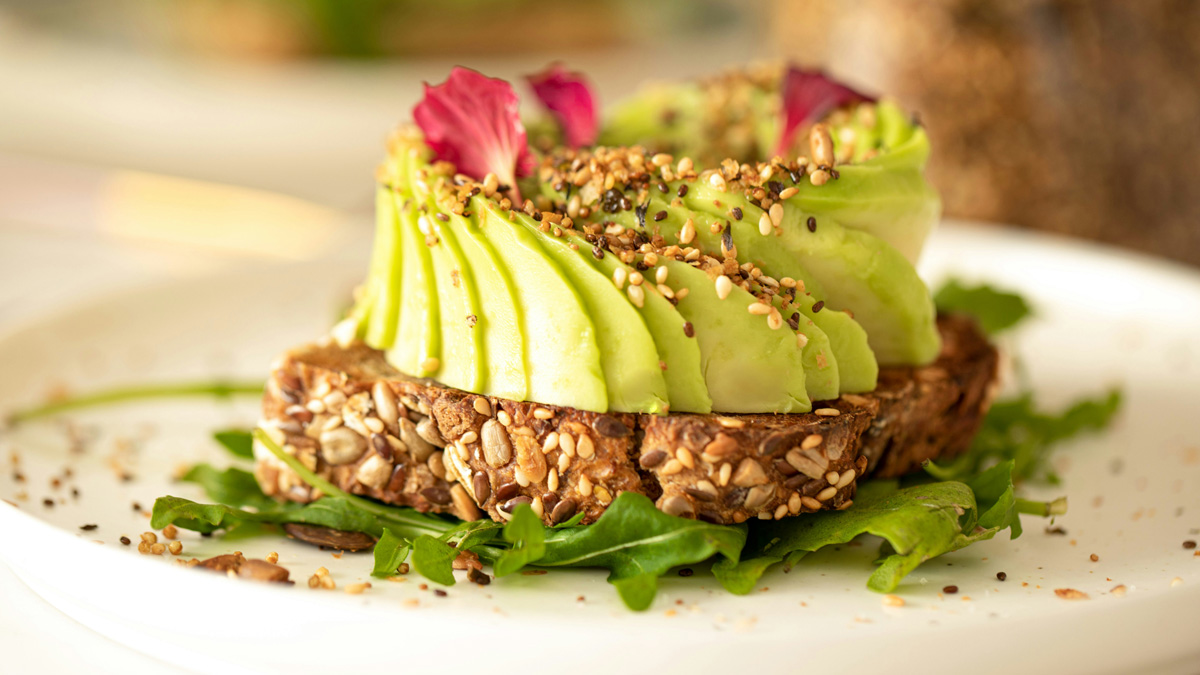
So for me, when my HIT is under control, and my histamine bucket is no longer overflowing, I can enjoy avocado on toast (maybe even with some sauerkraut), but I won’t have it every day. What I tend to do is allow myself to have only one high-histamine food or meal in a day and then observe how I am feeling.
In my experience, it can take two or more weeks for histamine levels to decrease after a BIG indulgence. Other factors, such as the time of your cycle and stress levels, can also influence your histamine levels.
Bringing it all together
Histamine Intolerance is a relatively new term encompassing a range of symptoms that can be challenging to categorise from a conventional medicine perspective. I hope this article provides enough educational material to help you on your health journey.
As a Naturopath, my approach in the clinic is to educate and help my clients understand their bodies better and learn to manage their health independently.
If you are interested in my professional advice for your health concerns, you can follow these links to book a one-on-one consultation, view my natural menopause courses, or schedule a Discovery Call to ask questions about my work.

Leave a Reply