
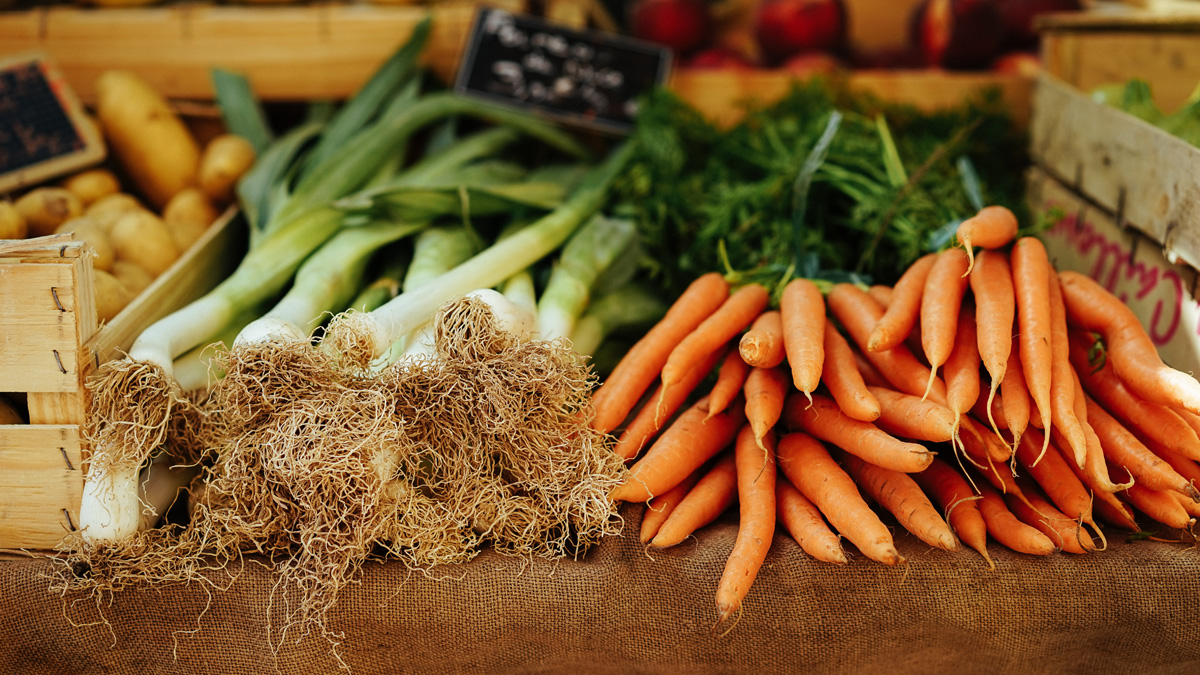
A common misconception among Western societies is that for a person to eat well, they need to be flush with funds. However, when you consider the costs involved in producing foods out of season and in the incorrect soil, with chemical pesticides and fertilizers, you begin to understand the true price of eating the unnatural and expensive way.
We’ve all had times when we needed to tighten the purse strings and get creative with budgeting. And oftentimes, I see people seeking out unhealthy processed foods to keep their spending on track.
However, these seemingly ‘cheap’ fast food options can cost us much more in the long term. The impact of these processed foods not only eats into your food budget but also has the potential to contribute to myriad chronic health conditions.
Not to mention the blah feeling you get after eating a deep-fried, super-sized, partially hydrogenated something-or-other with goodness knows what else in it.
So let’s jump straight in to discuss Seven Tips to Stretch Your Grocery Budget:
Eat in Season
Eating according to the season is the easiest way to ensure adequate nutrients and avoid paying for transport costs for foods from overseas or for storing food items for long periods of time.
As a general rule, in-season fruit and vegetables are much more readily available at certain times of the year, and their price will reflect this.
In Australia, our massive supermarkets have led us to believe that apples, oranges and bananas are in season all year round. But if you’ve ever purchased Californian navel oranges in summer or watermelon in winter, chances are you’ve paid for something that has been stored for long periods of time to give the appearance that the food is fresh.
You can find out what is in season in your area by using websites such as the Seasonal Food Guide. Chatting with your local farmer can also give you some ideas about what’s readily available and in season.
Eat Local and Organic
Eating local organic fruits and vegetables (yes, you read right – organic). This may sound counterproductive, especially when it comes to your food budget, but there are a few advantages to buying local or organic.
As already mentioned, I believe our connection with nature and the seasons has been skewed by supermarket ‘fresh’ foods being readily available all year round. The key with local organic food is that it is actually fresh and will have more life and vitality than supermarket produce. The value of organic food is in the economy of nature and the social and environmental impact of supporting local farmers who don’t use chemical pesticides or herbicides for growing.
Although the financial savings of buying local organic produce may be harder to identify at first, I consider it a wise investment rather than a quick-fix budgeting remedy.
The trick with local organic produce is that when you pay a few extra dollars per kilo, you make it work, eat all of it, waste none, and value the produce more than something that has been in cold storage for a couple of years. Plus, if the produce is in season and fresh, it’s likely to be tastier, and there’s less chance you’ll waste that tasty fresh produce.
City
Many cities now have excellent local distributors of organic produce. Having your fruit and vegetables delivered to your doorstep weekly or fortnightly saves you money and ensures that you don’t have to pay the price that you normally would at the store. Contact local organic distributors and compare prices and quality with what you would normally buy in the shops*.
Country
If you live in a rural area, you will need to seek out your nearest local organic market and coordinate your purchases around seasonal produce and what farmers have available. It might take some juggling with your schedule and a bit of extra planning, but once you are in the rhythm of buying local organic produce, you’ll wonder why you hadn’t done it earlier.
Go To The Market
Farmer’s markets are excellent places to buy fresh foods at a good bargain. Most larger towns and cities have local farmers’ markets, and some have organic markets as well.
Just before the end of the weekend, stall owners often rush to sell the last of their fresh produce for the week and discount large quantities of food to avoid wasting it.
Use your Freezer
You can use your freezer to freeze fresh fruit bargains, leftovers from whole meals, food scraps (to make vegetable stock), or anything else you can imagine.
If you have a glut of fresh produce or herbs or simply cooked too much the night before, your freezer can be your best storage option for ‘fast-food’ options at home. Just remember to label and date all of your freezer foods so you can easily access them in the future.
Learn To Cook
The financial impact of being able to prepare a home-cooked meal using whatever vegetables you pick up at the market and some herbs from your garden far outweighs the nutritional value of fast food.
Cooking at home and using a little creativity is by far one of the most economical, budget-friendly ways to eat healthy.
Packing your lunch and healthy snacks should be part of your regular routine for healthy budgeting.
The internet is your best free resource for endless recipes. Cooking with a friend who is also on a budget enables you to try new flavours and share the food expenses.
Grow Your Own
You can grow vegetables even with only a small windowsill or an old Styrofoam box.

Green leafy vegetables and fresh herbs are some of the most costly fresh food items, and if you’re buying bunches of lettuce or coriander from the supermarket, these need to be stored and eaten promptly, or else they whittle away at your food budget.
Initially, the setup can seem a little costly, but once established, you can use a small area of land or a windowsill to grow herbs and green leafy vegetables, which can be quite costly if purchased in a store. The best examples of easy-to-grow foods include coriander, flat-leafed parsley, tomatoes, capsicum, English spinach, and silver beet.
Say NO to Fast Food
Boycotting your local fast food outlets is one of the best ways to make savings on your budget, the local economy and, of course, your waistline. One quick way to ensure that your nutritional needs are ignored and your finances are depleted is to indulge in takeaway foods. Initially, the Tuesday night specials can seem appetising, but in the long run, the consumption of foods devoid of nutritional value and high in salt, sugar, and fat take their toll in the form of chronic long-term illness.
The initial ‘wow, what a saving’ of fast food can quickly be deflated when you calculate how economically you can make a meal with local or homegrown produce in your own kitchen.
Investing in your health is not just financial; it involves your time and effort, too. So yes, you can eat well on a budget, even stretch your budget a little bit further, and potentially eat more healthily than you would by ordering takeaway or fast food.
While these may not be the only ways that you can eat healthy on a budget, these seven tips are a great start to healthy eating on a budget.
You might also have some budget tips for eating healthy. I would love to hear about your experiences and what you’ve tried with your food budget.

*When I lived in Perth, I compared the prices of my regular local shop, an organic food shop, and an organic delivery service. My local organic food delivery service was surprisingly price competitive, even though organic food is notoriously more expensive.
The information provided in this article is for information purposes only and should not be taken as medical advice. We recommend you consult with a GP or other healthcare professional before taking action based on this article. While the author uses their best endeavours to provide accurate and true content, the author makes no guarantees or promises regarding the accuracy, reliability or completeness of the information presented. If you rely on any information provided in this article, you do so at your own risk.
Leave a Reply