
High cholesterol is one of the most commonly misunderstood health conditions in Western society. In many cases, prescription medications can be reduced or postponed with simple dietary and lifestyle changes. The following information is not intended to be an all-encompassing solution to hypercholesterolemia. I suggest researching, learning, and making properly educated decisions when considering ‘solutions’ to high cholesterol.
The following lifestyle tips are a good starting point for those embarking on the journey to better cholesterol management; I suggest seeking more detailed and specific guidelines from your naturopath or herbalist to refine your treatment strategy.
The good, the bad and the ugly
Cholesterol is an important hormone and a precursor for many other hormones, including your sex hormones: oestrogen, progesterone, and testosterone.
Cholesterol also plays a protective role in the cardiovascular system by repairing damage to artery walls.
However, a hasty and overly simplistic approach to cholesterol management tends to overlook cholesterol’s essential role in overall health management.
Generally, your lipid profile or cumulative lipid risk profile will include total cholesterol, HDL, LDL, non-LDL, and triglycerides, and some laboratories will include ratios – total:HDL. But what often occurs is that more emphasis is placed on total cholesterol – which is good and bad cholesterol combined, rather than how much of the good stuff you have.
High-density lipoproteins (HDLs) are considered the good guys, doing all the beneficial work in your body. Non-HDL and LDL (or low-density lipoproteins) are the bad guys, wreaking havoc on your cardiovascular system. Triglycerides are basically the amount of fat in your blood, and high levels are not good.
So, getting the balance right is the key here.
Menopause and cholesterol
The three biggest health concerns for women post-menopause are osteoporosis, dementia and cardiovascular issues – think high cholesterol and heart attacks.
The relatively higher levels of oestrogen during our menstruating years have a protective mechanism on cholesterol levels. Oestrogen is said to help regulate the metabolism of fats via the liver.
Once oestrogen levels begin to decline during perimenopause and after menopause, triglycerides and LDL cholesterol (the bad ones) increase.
So, now you’ve learned about the basics of cholesterol.
Let’s get into it – the top lifestyle tips for better cholesterol levels.
1. Lifestyle Management
Ok, I know this sounds a little vague: ‘lifestyle management’, but:
Stress plays a most important role in our internal cholesterol production. When our stress hormones increase in response to a ‘stressor’ in our environment, our body produces more cholesterol.
I’ve included this as the first component of cholesterol management because I consider it THE most important. The ongoing effects of long-term stress and poor stress management play a significant role in all chronic Western health conditions, including hypercholesterolemia.
Learning techniques to manage our perception of stress and reduce stress responses can make life easier to manage and, in the long term, improve overall happiness. Learning to laugh at yourself, practising meditation, and spending time in nature can be some of the simplest and most rewarding ways to manage cholesterol and improve overall health.
2. Exercise
Our bodies are designed for movement; exercise helps to improve circulation and blood flow throughout the body.
While exercise is said to increase HDL levels, or the good guys, and lower LDL cholesterol, one of its most significant ‘side effects’ is stress management (see above).
The expansion and contraction of your blood vessel walls that occur while you are exercising help to strengthen these walls and reduce the fragility of the cells lining our cardiovascular system. One of cholesterol’s jobs is to repair any damage to the blood vessel walls, which sometimes causes blockages, and this is a MAJOR benefit of exercise and physical activity for cholesterol management.
Aim for a minimum of 30 minutes per day, and for variety, include walking, swimming, dancing, yoga, and Pilates.
3. Herbal medicine
Herbs play an integral role in targeting effective cholesterol management.
Depending on your particular health concerns and risk factors, herbal blends to support the cardiovascular system, regulate blood sugar levels, support liver function, or lower blood pressure can ensure targeted therapeutic results.
Ask your naturopath for advice regarding herbs specific to your needs.
4. Good fats
As we’ve already discussed, balance is the key to supporting healthy cholesterol levels, and balanced nutrition plays a role in this. Avoiding processed fats from fast foods, pastries, margarine, and processed foods plays a priority role in cholesterol management, as does limiting excessive amounts of animal fats. Also, including good fats from cold-water fish, nuts and seeds, and avocados can help with healthier cholesterol ratios.
A little tip here is to combine fats with sour or bitter foods to enhance your body’s ability to digest those good fats. Include lemon juice or apple cider vinegar with your meals, or add a side salad with bitter green leafy vegetables such as endives, chicory, or radicchio.
5. Spice It Up
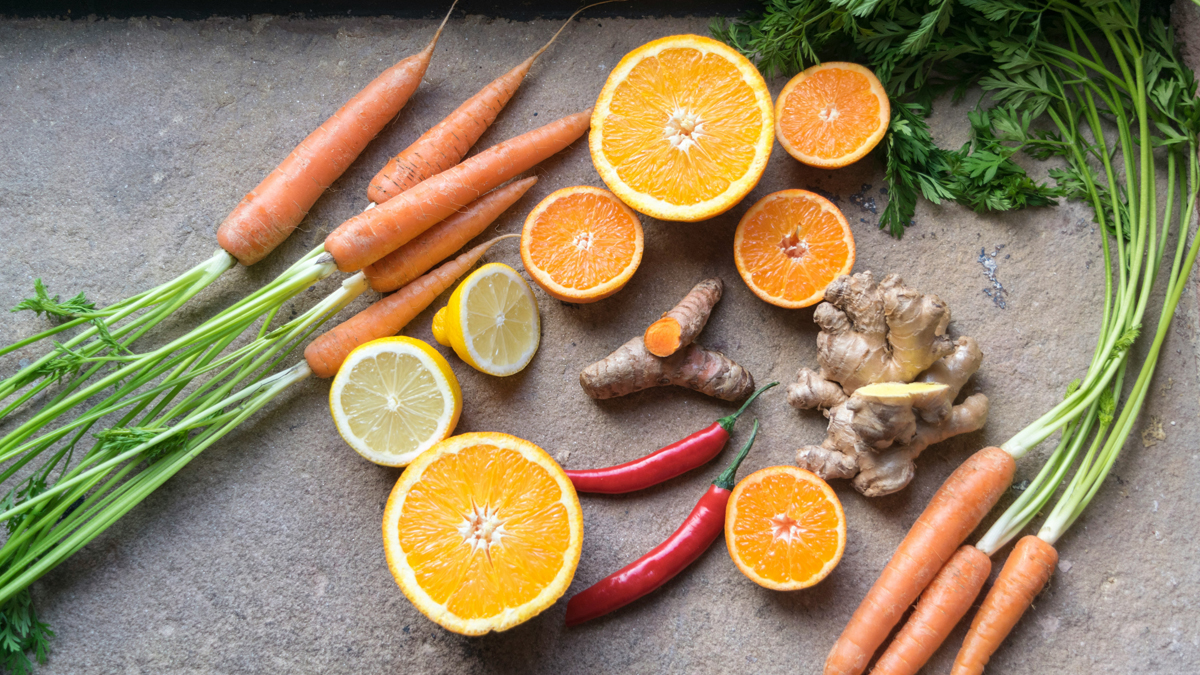
Various culinary spices play a big role in providing anti-clotting factors, protecting the walls of the blood vessels, and promoting healthy blood flow to the body’s tissues. Including spices such as garlic, ginger, cinnamon, fenugreek, and turmeric in your regular diet can not only improve your cardiovascular health but also add a little spice to your life!
6. Antioxidants
Including antioxidants in your daily diet can help improve the integrity of blood vessel walls, and vitamin C is specifically important for lowering LDL and triglycerides. A variety of antioxidant-rich foods, including various coloured fruits and vegetables and dark-coloured berries, can help improve your cardiovascular health.
7. Fibre
Fibre-rich foods can help reduce cholesterol absorption in the digestive tract and support cholesterol elimination through the bowel. Including soluble fibre supplements such as chia seeds, psyllium, and flax seeds in your daily diet is a great way to improve cholesterol and support digestive health.
And, if you are transitioning through menopause, adding flaxseeds to your diet is one of my go-to phytoestrogen foods for hormone health. You can learn more about phytoestrogens here.
8. Hormone management
If you’re stepping into or out of your menopause transition, you will realise that your hormones affect EVERYTHING.
If I could summarise hormone management in one long sentence, it would include stress management (and mindfulness), exercise, herbs prescribed by your herbalist, good fats, fibre, and antioxidants. These strategies create an infinite loop of influence on hormone and cholesterol management.
Cholesterol health – in conclusion
Along with these lifestyle and dietary factors, elevated cholesterol is a symptom that is part of overall health. Improved cholesterol health may only be achieved when you address other health issues, such as elevated blood pressure, diabetes or excess weight, thyroid issues, or other chronic medical conditions. Approaching cholesterol health holistically can help you avoid long-term health issues and reduce reliance on pharmaceutical medication. Ask your naturopath for further guidance on managing your overall health naturally.
Leave a Reply